 Written and medically reviewed by
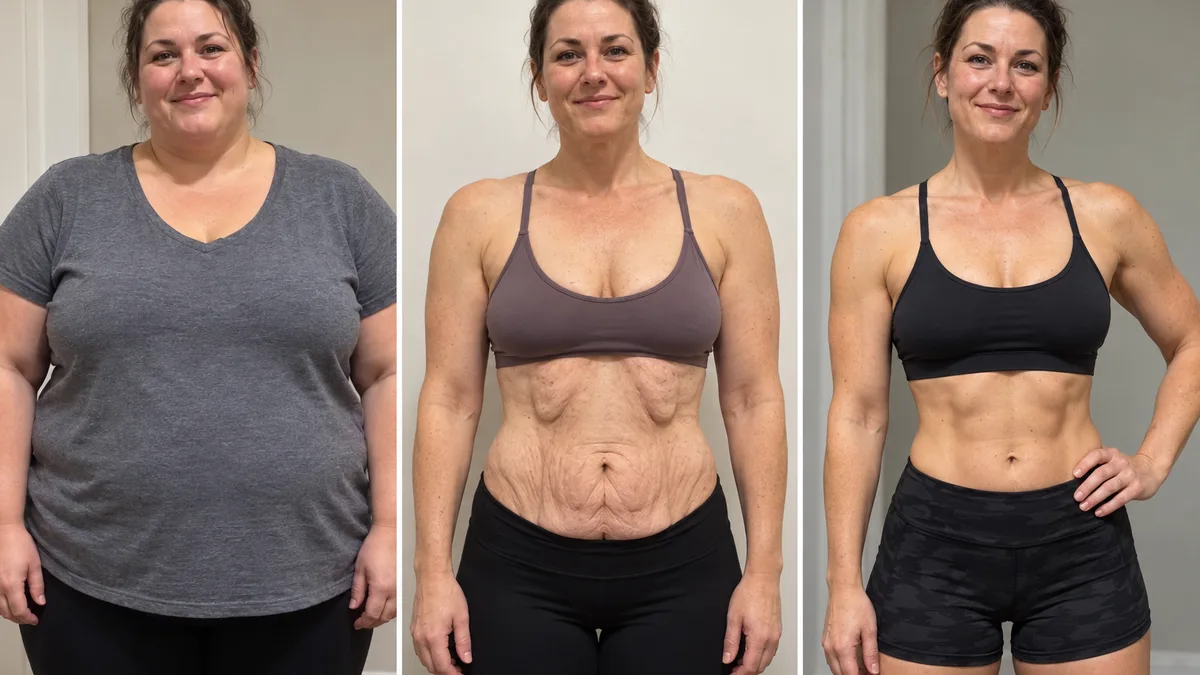
Picture this: you have dropped sixty pounds, your energy is better, your clothes finally fit the way you hoped, and yet the mirror still shows skin that hangs loose at your waistline or upper arms. That gap between how you feel and how you look is one of the most common complaints among people who go through major weight loss, and it is exactly the problem copper peptides for loose skin are being studied to address. GHK-Cu, the specific copper peptide most researchers have focused on, appears to influence the fibroblasts and enzymes your body relies on to build collagen and elastin, the proteins that keep skin taut and able to spring back. Here we unpack the mechanism, look at what the research actually shows, and talk about how this kind of peptide therapy might fit into a plan built around medical weight loss.
Where Loose Skin Comes From in the First Place
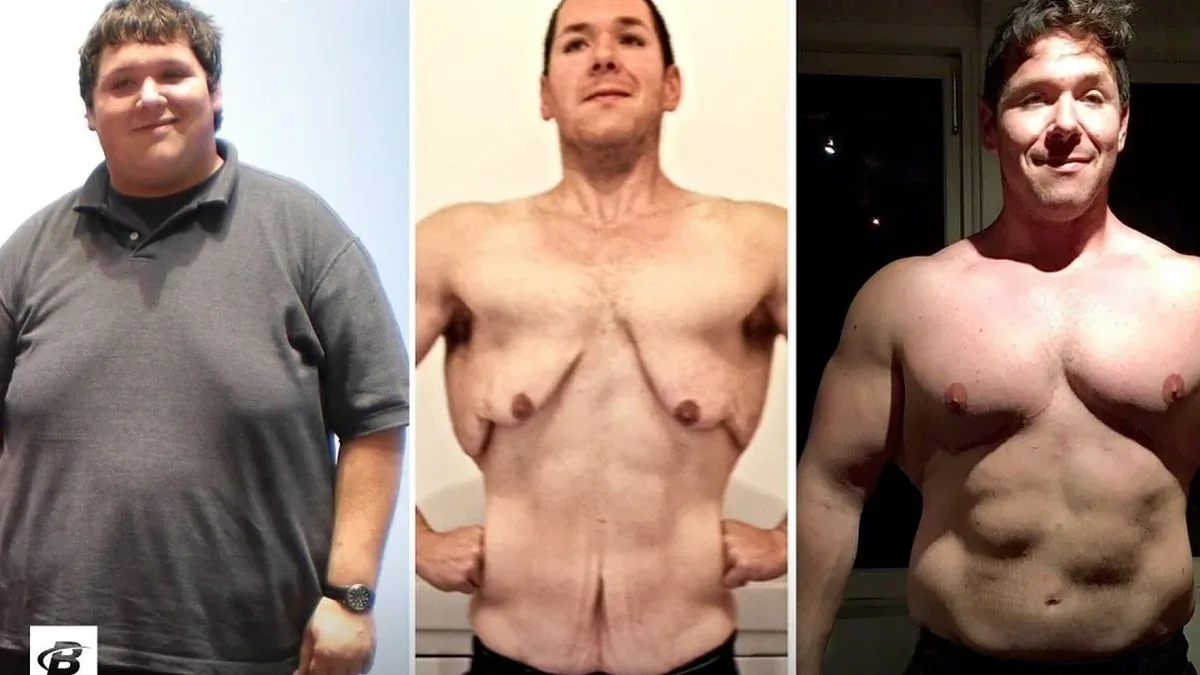
Carrying extra weight for years stretches the skin the same way a fabric waistband stretches when it is worn tight for a long stretch of time. The fibers inside eventually lose some of their ability to snap back. When weight comes off quickly, whether through lifestyle changes, a medically supervised program, or bariatric surgery, skin is often left without enough time to shrink along with the body underneath it.
The collagen and elastin network that normally gives skin its firmness can be stretched thin or damaged by that process, and it may simply be insufficient to handle the change in volume your body just went through. For a long time the only real answer offered to patients was patience or surgery. That is shifting now that researchers are looking at whether certain peptides can actively support the skin's remodeling process instead of leaving it to chance.
What Copper Peptides Actually Do Inside Your Skin
Copper peptides are short chains of amino acids bound to a copper ion. The one with the most research behind it is GHK-Cu, a tripeptide built from glycine, histidine, and lysine paired with copper. It is not an invented cosmetic ingredient; your body produces it naturally and uses it during wound repair and tissue maintenance throughout life.
What makes copper peptides for loose skin worth paying attention to is the range of cellular activity they appear to influence:
- Activating fibroblasts, the cells responsible for manufacturing collagen and elastin
- Raising output of collagen types I and III, the proteins largely responsible for skin's structural strength
- Encouraging elastin fiber formation, which allows skin to stretch and then recover its shape
- Supporting lysyl oxidase activity, an enzyme that cross-links collagen into organized, stable networks
- Helping regulate inflammation so tissue has a better environment in which to rebuild
A useful way to think about it: copper peptides act like a signal that tells skin cells to shift into repair mode. After major weight loss, skin needs to reconstruct its underlying framework to match a smaller body, and the copper ion itself serves as a cofactor for enzymes that organize the extracellular matrix, the scaffolding beneath the surface that gives skin its mechanical properties. The intent behind this type of therapy is structural change in the deeper layers, not a short-lived surface shine.
Top 5 telehealth sites for copper peptides for loose skin
- 1Visit site
Biotech Lifestyle
Our pickOnline visits with licensed providers, transparent pricing, medication shipped from licensed pharmacies.
- 2Visit site
Lead West Medical
Telemedicine using HIPAA compliant and convenient healthcare options
- 3Visit site
Ellie MD
preventative healthcare more accessible and affordable
- 4Visit site
Bridgeside
Physician-guided medical evaluation
- 5Visit site
Victory Select
Subscription Experience physician-supervised weight loss, hormone replacement, and longevity treatments
What the Studies Reveal About Tightening
Clinical research on copper peptides has produced some genuinely encouraging data for people dealing with sagging skin. Several controlled studies measured skin elasticity with instruments designed to test mechanical properties, not just visual impressions, and found real improvement among participants using copper peptide formulations.
One protein worth knowing about is decorin, which helps keep collagen fibers properly aligned into bundles rather than tangled or scattered. Studies have reported a meaningful rise in decorin expression with GHK-Cu use, and proper collagen alignment is a large part of whether skin reads as firm or as loose. Tissue samples examined under a microscope after treatment have shown thicker dermal layers, denser collagen, and better organized elastic fibers compared with untreated samples.
Research focused specifically on people recovering from major weight loss suggests that those who lost somewhere around 30 to 100 pounds or more tend to show the clearest response, especially in the abdomen, upper arms, thighs, and neck. Changes tend to build slowly rather than arrive all at once, with many protocols reporting the biggest gains somewhere between two and four months of steady use, and those gains tend to hold as long as use continues.
Biomechanical testing has also picked up improvements in how well treated tissue tolerates stretching and returns to its original shape afterward. Outcomes differ from one person to the next, but the overall body of research supports copper peptides for loose skin as a reasonable non-surgical option worth discussing with a provider. It is worth repeating that these are compounded medications, not FDA-approved, prepared by licensed compounding pharmacies for individual patients, and only after a licensed provider has determined the therapy is appropriate.
When Should You Start: Early or After Reaching Goal Weight
If weight loss is still underway for you, the timing of any skin support strategy matters more than people realize. Some research points toward starting supportive treatment while weight loss is actively happening rather than waiting until you land on a final number, since skin tissue is already in an active remodeling state during that period.
Patients using prescription treatments such as semaglutide or tirzepatide, which can produce substantial weight reduction in a relatively short window, have good reason to think about skin support earlier rather than later. These medications have changed what is achievable for a lot of people, but the speed of the change can move faster than skin's own capacity to adapt.
None of this means you have missed the window if you have already finished losing the weight and are now facing established loose skin. Copper peptides for loose skin may still offer real benefit, since skin keeps some capacity to remodel throughout a person's life. It may just take longer to reverse existing laxity than it would to support skin that is still actively adjusting. A licensed provider can help map out a reasonable approach based on how much weight came off, your age, and your skin's history.

Pairing Peptide Support With a Weight Loss Plan
Plenty of patients are seeing substantial results from prescription GLP-1 treatments that help regulate appetite and support steady fat loss. The metabolic side of that story is well established, but the aesthetic consequences of major body composition change deserve equal attention if overall satisfaction with the outcome matters to you.
Copper peptides work through an entirely different pathway than weight loss medications, since they target the structural side of skin rather than metabolic signaling, which makes the two reasonable to pair rather than compete with each other. You end up addressing the metabolic shift you were after while also tending to the skin adaptation that often tags along with it. This kind of therapy sits within a broader category of longevity-minded peptide work, alongside options aimed at recovery and cellular health more generally.
Peptide therapy is worth raising with a provider if any of the following sound familiar:
- You have lost, or are in the process of losing, 30 pounds or more
- You notice visible looseness in more than one area of your body
- You want to support skin health proactively while weight loss is still happening
- You would rather try a non-surgical route before considering a procedure like body contouring
- You are drawn to an approach that handles more than a single piece of the puzzle
| Approach | How it works | Downtime | Typical timeline |
|---|---|---|---|
| Copper peptides for loose skin | Supports collagen and elastin production at the cellular level | None | Weeks to several months |
| Topical retinoids | Increases cell turnover and stimulates some collagen activity | Mild irritation possible | Months |
| Body contouring surgery | Physically removes excess skin | Weeks of recovery | Immediate, once healed |
For readers weighing a non-surgical route before anything more invasive, a licensed online evaluation is a low-friction place to start, and the option we point people to first is Biotech Lifestyle, where providers can review your history and weigh in on whether peptide support makes sense for you.
Setting Realistic Expectations for Treatment
Any honest conversation about loose skin treatment has to start with realistic expectations. Copper peptides are not a switch that erases excess skin overnight. They work by nudging gradual biological processes along, and research suggests visible improvement generally unfolds over weeks to months rather than days.
Most protocols call for consistent daily application to the affected areas, with concentration, delivery method, and exact formulation set by your provider based on your situation. On the safety side, copper peptides for loose skin have generally shown good tolerability in the research available, with mild, temporary irritation at the application site being the most commonly reported issue. Longer studies, some running close to 18 months, have not turned up evidence of toxicity or harmful tissue changes, and because the product is applied topically, its effects tend to stay localized rather than spreading systemically.
How much a given person notices will depend on the extent of their skin laxity, age, skin quality, general health, and how consistently the treatment is used. Some people report a change in skin texture within a few weeks, while deeper improvements in elasticity and thickness usually take several months to show up. Pairing copper peptide use with solid hydration habits, adequate protein intake, daily sun protection, and regular strength training tends to support better overall results.
The Rest of the Picture: A Whole-Body Approach to Skin
Copper peptides show real promise, but they work best as one piece of a larger plan rather than a stand-alone fix. Skin condition reflects what is happening with your nutrition, hydration, sleep, stress, and daily habits as a whole.
Protein intake matters because your body needs amino acid building blocks to manufacture new collagen in the first place. Vitamin C acts as a required cofactor for collagen synthesis, while zinc and other trace minerals support skin structure and healthy dietary fats help maintain the skin barrier. If you are still actively losing weight, working with a provider to meet these nutritional needs despite a reduced calorie intake supports both the scale and your skin at the same time.
Hydration influences skin turgor and the biological processes involved in tissue remodeling, which matters even more if you are on a medication that affects appetite or fluid balance. Building lean muscle through resistance training can also help fill out areas where fat loss left extra space, creating a firmer look beneath the skin even before elasticity has fully caught up. Daily sun protection belongs on this list too, since UV exposure breaks down collagen and elastin and works directly against whatever progress you are trying to make.
Deciding on Your Next Move
Dealing with loose skin after putting in the work to lose weight can feel like an unfair footnote to real progress. You deserve to feel at home in your body, and while no treatment can promise a specific outcome, understanding what is actually available puts the decision back in your hands.
Copper peptides for loose skin represent a reasonably well-studied, non-surgical approach to supporting your skin's own recovery. They remain compounded treatments, not FDA-approved, prepared by licensed pharmacies for individual patients, and they are only appropriate after a licensed provider has evaluated your situation and agreed the therapy fits.
Getting that evaluation does not have to be complicated. No referral is required, the online health profile is free to start, pricing is shown up front before you commit to anything, and HSA or FSA cards are accepted for payment. If you want to see whether peptide therapy belongs in your plan, Biotech Lifestyle offers a straightforward way to talk with a licensed provider without the wait of an in-person office visit.